£15.00
A digital download from this Lunch and Learn session.
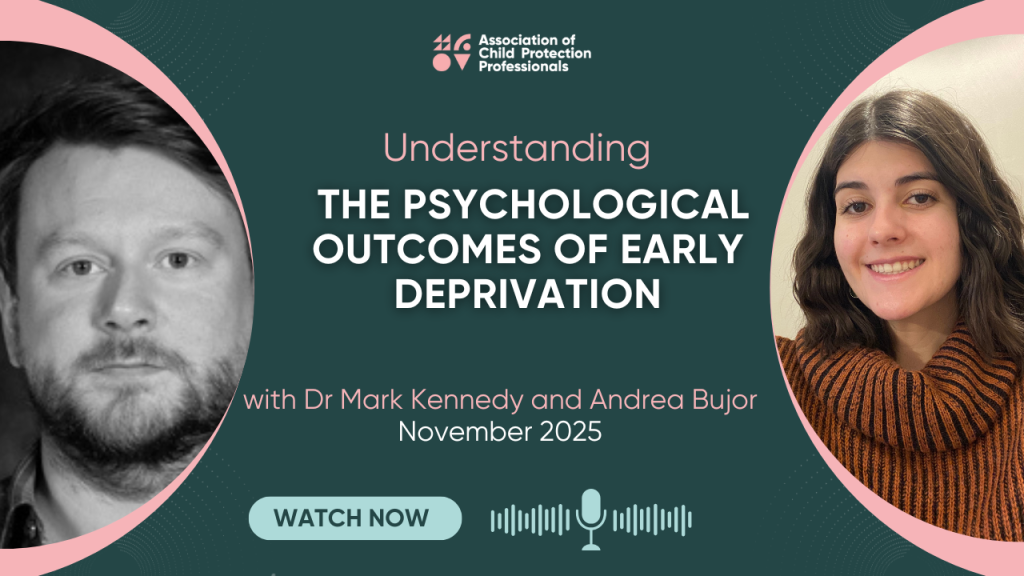
Presentation 1: Dr Mark Kennedy
Early institutional deprivation has lasting neurodevelopmental effects, with reduced brain volume and persistent challenges in executive function observed well into adulthood—despite years in nurturing adoptive environments.
Four core psychological outcomes—cognitive impairment, ADHD, autism-like traits, and disinhibited social engagement—emerged as deprivation-specific, with ADHD and autism symptoms persisting into adulthood and linked to poorer mental health and functional outcomes.
Mental health difficulties, particularly depression and anxiety, tend to spike in adulthood, often mediated by earlier neurodevelopmental challenges, social exclusion, and experiences of bullying—highlighting the need for long-term, tailored support.
Qualitative findings reveal gaps in service provision and social understanding, with many adoptees facing challenges in navigating relationships, accessing appropriate support, and parenting—yet also demonstrating resilience and personal growth.
To what extent do our findings generalise? Given the unique backgrounds of our participants, we conducted a recent systematic review which identified similarities and differences between the needs and experiences of our cohort with the broader evidence base on looked after children/ adults.
Presentation 2: Andrea Bujor
Lived experience and service gaps: This study centres on adoptee and family voices to reveal persistent gaps in post-adoption support despite high service usage- emphasising the need for trauma-informed, interdisciplinary, and lifelong care tailored to adoption-specific challenges.
Broader and more inclusive scope: Unlike the ERA study which focused on adoptees from extreme institutional deprivation, this study explored the lived experiences of a wider range of adoptees, highlighting common themes of early adversity, trauma, and unmet support needs across diverse backgrounds. This study expands the focus to include identity formation, grief/loss, attachment challenges, and contact with birth families.
Neurodevelopmental outcomes: Similar to the ERA study, this review found unmet support and the need for service providers to understand the impact of early adversity and trauma on development.
About the video: Video length: 128 minutes
Featuring: Dr Mark Kennedy and Andrea Bujor, AoCPP staff and event delegates.
I think Child Abuse Review has gone from strength to strength and is of a consistently high standard. We have held numerous events that have been inspiring and enabling, such as the most recent Congresses and the Trainer's conference and award ceremony, the seminars to disseminate lessons from Serious Case Reviews. As resources get ever tighter, professionals have fewer and fewer opportunities to come together to exchange ideas and to learn together. We move more and more into silos because of work pressures. This is not the way to keep children safe. Association of Child Protection Professionals is needed to bring people concerned about child protection together to learn, to think, to shape policy and practice and to disseminate research. No-one else does this.
