Chair: Dr Sam Warner
In this Lunch and Learn, Dr Nicholl will describe how learning from local reviews and the “Myth of Invisible Men” inspired a programme to support new fathers, identify unmet needs and signpost to support, all with the underlying aim of safeguarding children and helping families thrive.
From a pilot in Bridgwater, the programme underwent an iterative process to become Somerset’s New Dad’s Supporters Programme. The work was “highly commended” in the SW Integrated Personalised Care Awards in 2024 and was considered in the parliamentary round table discussion about men’s health.
Dr Nicholl will share some of the training resources as well as describe what worked, and what didn’t, so that the programme can be replicated in your local area.
This session, will enable participants to:
Understand the challenges of finding and addressing men’s unmet needs and how men can be marginalised during the perinatal period.
Look at ways to engage fathers so that the whole family benefits.
Replicate the programme in their local area and share resources aimed at men with families that would benefit.
This session is aimed at anyone working with families.
| Ticket Type | Price | Cart |
|---|---|---|
| Engaging Dads in the perinatal period- standard | £15.00 | |
| Engaging Dads in the perinatal period- member | £0.00 |
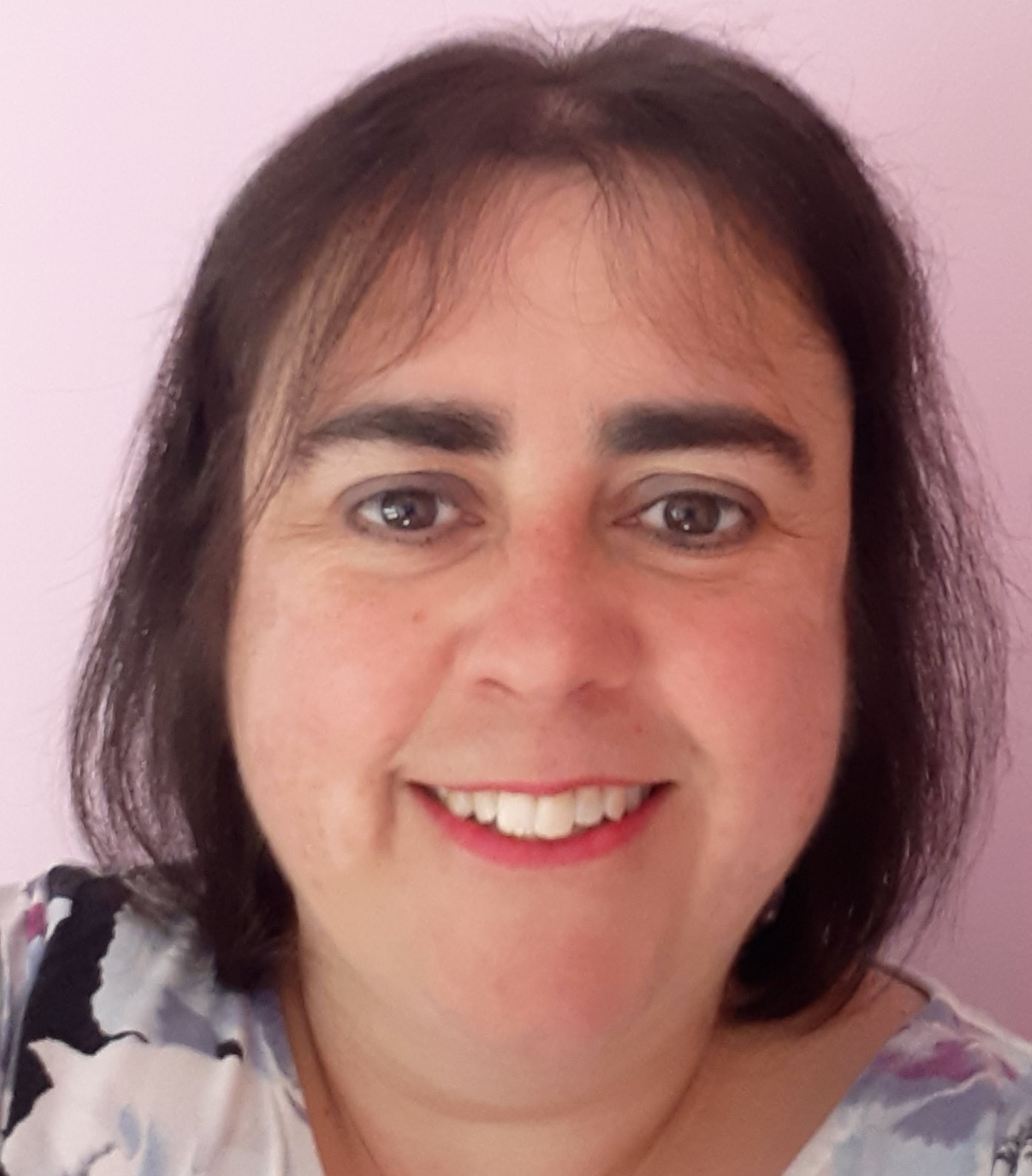
Dr Joanne Nicholl is the Designated Doctor for safeguarding children at NHS Somerset, a General Practitioner, and a Director of the Somerset GP Support Unit. She is a Member of the NNDHP and the representative for the Southwest on the Safeguarding Children subcommittee, which she also chairs. She has nearly 30 years of experience as a clinician and has been a strategic lead for safeguarding children since 2017.
She is author of the NNDHP Position Statement regarding “The Impact of Freebirth on Children” as well as several local learning reviews. She was highly commended in the Southwest Integrated Personalised Care Awards for her work supporting new fathers and is keen to work collaboratively across agencies to develop proactive safeguarding strategies.

Dr Sam Warner is a specialist in trauma-informed therapy, safeguarding and training. She is a consultant clinical psychologist and the chair of the Association of Child Protection Professionals. Sam holds an honorary senior lectureship at Salford University. She is a member of the advisory committee of the national working group against Spiritual and Ritual Abuse. Sam is also a national safeguarding panel member for Sport Resolutions, the independent dispute resolution service for sport. Sam has nearly forty years’ experience of working with children, young people and adults who have complex mental health and safeguarding needs. Sam has specialised throughout her career in working with the impact of abuse-trauma, focusing on sexual violence, child abuse and neglect, domestic abuse, exploitation, and in respect of all key related issues. These include: attachment difficulties and ‘personality disorders’, self-harm and suicide, dissociation and psychosis, spiritual and ritual abuse, fabricated and induced illness, developmental disorders and neurodiverse conditions including learning difficulties, ASD and ADHD. Sam has written books, papers and reports on these issues and advises at national and international levels. Sam provides complex trauma therapy with high risk clients and she works as an expert witness in the family courts (providing risk and needs assessments of both adults and children; victims and perpetrators). She delivers system-wide interventions with children who are looked after and provides bespoke clinical leadership to residential childcare services. Sam has extensive experience of working creatively with clients providing dream analysis; and art and drama-based therapeutic and training methods
Opportunity to network with others and know I am part of a community of people committed to working for children and families; challenge to keep up to date and evidence-informed in my practice; sounding board with others for considering how best to improve policy and practice
