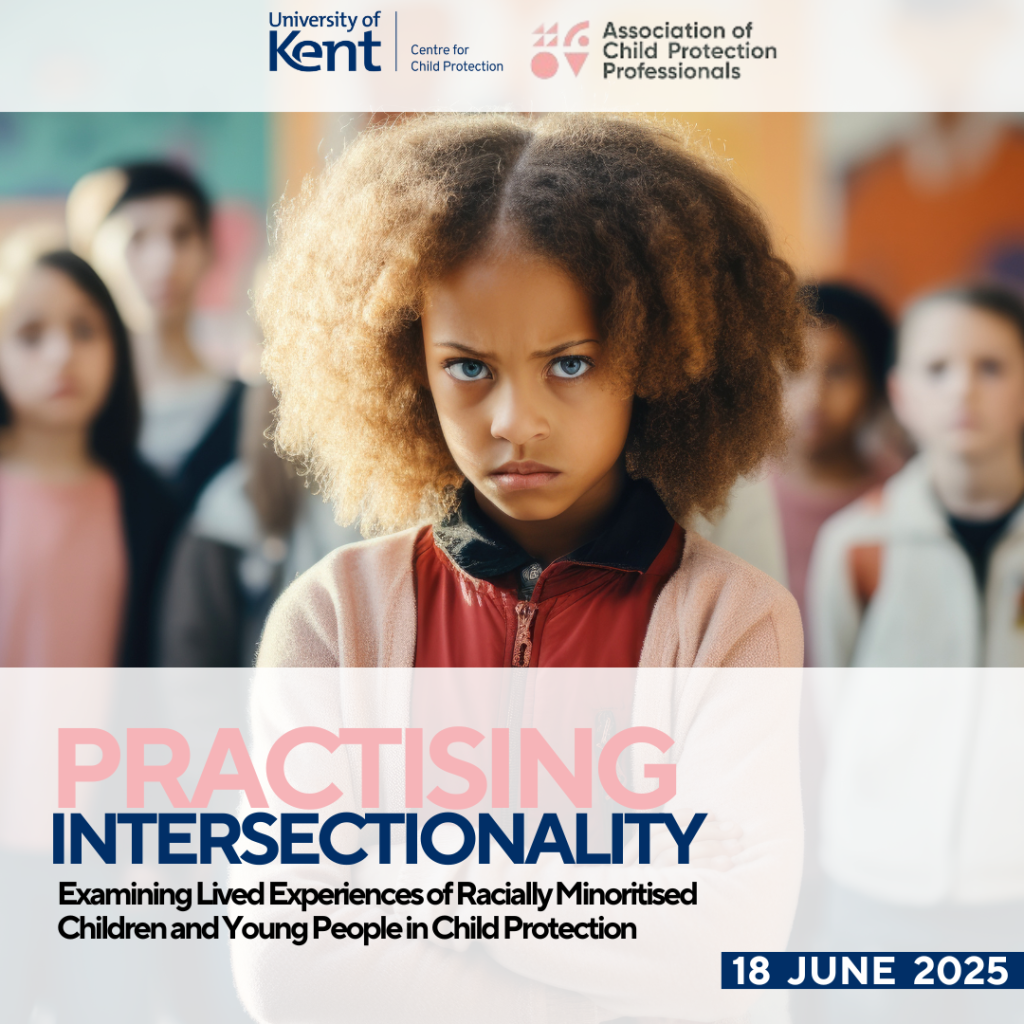
Racially minoritised children and families known to UK child protection services and agencies are reported to experience more punitive treatment from statutory services, receive interventions which are less supportive and more accusatory, and have limited or no access to support services. UK-based research has documented this over several decades, and despite some good action to address anti-oppressive practice, there is little evidence demonstrating that positive change is being achieved for children young people, and for their families.
The conference will remind us of this very real social problem, and the inadequacies of practice and policy. It will examine the intersections that children and young people of colour experience, which amplifies their experiences of racism. Intersections such as gender, sexuality, disability, and socio-economic factors.
Keynotes speakers will tackle the problem head-on, and a series of presentations will share the strengths and limitations of child protection practice, and provide everyone attending with the means through which a more active and structural approach can be adopted.
To encourage participation, in an event that requires as many voices and perspectives as possible, affordable prices have been set for the event. Remember, such change requires challenging and courageous conversations, and we hope that you can be a part of these with us on the 18 June.
Learning Objectives:

| Time | Session | Speaker |
| 9.30 - 9.45 | Chair's Welcome | Dr Bridget Ng’andu, Head of Social Work, University of Kent |
| 9.45 - 10.15 | Keynote: Disrupting the Discourse on Racial Disparities and Disproportionalities
The discourse on racial disparities and disproportionalities in the UK, is laden with data and statistics which evidence that lived experiences can be negatively affected because of an individual’s race. Often conflated with ethnicity, culture, religion and migration, race can become sidelined, and the importance of it being a critical root of disadvantage and discrimination can become blurred, vague and even denied. These additional intersections are certainly relevant and important, but there is an absolute need to confront the racial aspects of such experiences head-on. We inhabit communities, societies, and a world, which is becoming increasingly polarised, with discussions about racism being presented as woke, unwanted, and unnecessary, becoming all too familiar. This risks undoing the intense work that has been achieved to address these forms of discrimination, and threatens future concerted efforts to resolve consequential disparities. This keynote connects these points directly to the lived experiences of racially minoritised children and young people in our child protection system, discussing the need to remain committed and dutybound to challenge relevant areas of practice and policy. |
Dr Vanisha Jassal, Senior Lecturer, Centre for Child Protection |
| 10.15 - 10.45 | Lived Experiences of Children: Parallel Presentations
1) Navigating Adulthood: Cross-Cultural Young Adults' Journeys from Child Welfare to Independence This presentation explores how young adults with cross-cultural backgrounds experience aftercare in the Norwegian child welfare system. It highlights the need for culturally responsive and flexible support and offers take-home insights for practitioners on how to better promote agency, inclusion, and dignity in aftercare. This research considers the experiences of care, as shared by unaccompanied asylum seeking girls and women. Examining the intersections of gender and ethnicity, it evidences how the meaning of care, as interpreted by the females, is important in how care is provided for them. The presentation is centered on the security implications of cross-border migration in Southwestern Nigeria (child protection and safety). Many children are confronted with the issue of child trafficking in other West African countries, including Europe. The presentation will observe the nature and implications of cross-border migration, including the weak status of government policies to protect children from exploitation and how these policies can be strengthened. |
|
| 10.45 - 11.00 | Comfort break | |
| 11.00 - 11.30 | Keynote: Family Group Conferencing as an Indigenous Model to Decolonise and Reframe Child Protection Social Work Practice Through an Intersectional Lens
This keynote will outline a research based systematic literature review exploring the Family Group Conferencing experiences with racially minoritised families in England. This review found that racially minoritised families felt that Family Group Conferencing was empowering and met their cultural needs at times, but suggested caution about how culturally adaptable the approach is for this population. The keynote will explore that FGC could be presented as an Indigenous model of engaging with family networks with relevance for social workers working with racially minoritised communities in England, and highlight how Family Group Conferencing aligns with aims of decolonisation and cultural competence with a need to explore how Indigenous knowledge can be valued more effectively in global social work debates. |
Omar Mohamed, Children and Families Social Worker, a lived experience activist and a Churchill Fellow |
| 11.30 - 12.00 | Keynote: Child Sexual Abuse and the Intersections of Race, Ethnicity and Culture: Findings of the 2024 CSA Centre Report
Although the likelihood of being sexually abused in childhood does not vary significantly between ethnic groups in England, children who come into contact with statutory services because of sexual abuse concerns are disproportionately White. Moreover, in 2022/23 26% of children in state schools and nurseries were of African, Asian and Caribbean heritage (Department for Education, 2023a) but African, Asian and Caribbean heritage children accounted for only 10% of those coming into contact with sexual assault referral centres, and for only 13% of victims of child sexual abuse offences recorded by the police. Sukhwant will draw out insights for practitioners from a recently completed knowledge review of the research evidence on the sexual abuse of African, Asian and Caribbean heritage children. She will provide a brief outline of the shape of the current literature and then hone in on two key contexts that inhibit reporting and effective service responses: racism/racialisation and family/communal pressure. This is intended to encourage a discussion of how to improve service responses. |
Dr Sukhwant Dhaliwal, Senior Lecturer, Child & Woman Abuse Studies Unit, London Metropolitan University |
| 12.00 - 12.45 | Lunch | |
| 12.45 - 13.00 | Welcome back Afternoon session kick off Home: a BAFTA nominated short film illustrating lived experiences of care |
Steve Myers, Vice Chair of the Board of Trustees, AoCPP
King Simpson, BAFTA-nominated creative writer and care-experienced advocate |
| 13.00-13.30 | Examples of Current UK Practice: Parallel Presentations
1) The Feather & The Shell: Insights from Alaskan and Canadian Responses to Sexual Harm in Indigenous People Michelle will talk about her learning from a Churchill fellowship in 2023-4 that took her to Canada and Alaska to explore how sexual abuse services engaged with indigenous Canadians and Native Alaskans. She will reflect on the importance of understanding historical context and the application of cultural humility in practise comparing and contrasting with practise in the UK. 2) Ethnic and Religious Differences in the Healthcare Use of Children Receiving Care and Support in Wales By examining the intersections of ethnicity, religion, and child welfare, this research contributes to a deeper understanding of healthcare access and equity. Findings highlight concerning disparities and provide a foundation for developing targeted interventions to address these inequities. 3) Chelsea's story: Child Criminal Exploitation and Exploring the Vulnerabilities of Adultified Children “Crossing the Line" was developed by the Centre for Child Protection (CCP) to address the growing concerns of child criminal exploitation, county lines, and knife crime. In this session, participants will follow Chelsea’s story, exploring how adultification can create significant vulnerabilities that lead to harmful life course trajectories. By navigating Chelsea’s journey through an interactive street map, we will highlight key moments where adultification has led to missed safeguarding opportunities, examining its profound impact on her life and the lives of others. By unpacking the complexities of adultification we will explore its role in creating vulnerabilities to criminal exploitation. |
|
| 13.30 - 14.00 | Keynote: Cultural Humility as Opposed to Cultural Competency: Sharing Practice from the USA
Global child welfare disparities are both deep and persistent. Despite these inequities being well-known and a variety of evidence-based models being deployed to address them, our systems and policies have not been fully optimized to generate meaningful and sustainable reductions in cases, reunification, and adverse health outcomes. These disparities have been particularly and uniquely resilient in immigrant and racial/ethnic minority populations, highlighting the need for more thoughtful and practical cultural humility initiatives. Paradigms like cultural humility represent a potential solution to improving practitioners’ engagement with diverse populations. As part of this keynote, the qualities and follies of cultural responsiveness in child welfare will be explored, and new approaches to practitioner reflexivity and cross-cultural clinical engagement will be discussed. |
Professor Jerel Ezell, Centre for Cultural Humility, University of California Berkeley |
| 14:00 - 14:30 | Examining Statutory and Organisational Responsibility: Parallel Presentations
1) Juvenile Justice in Pakistan This presentation will discuss the vulnerability of children experiencing the juvenile justice system in Pakistan. Over 80 per cent of juveniles in the system are awaiting trial but are being subjected to mistreatment, with intersections of class and religion resulting in some children experiencing harsher treatments and unequal access to justice. 2) Promoting Anti-Racist Practice Across Family Justice The family justice system plays a critical role in safeguarding children and families, but research and lived experiences consistently highlight persistent racial disparities in applications, outcomes, and decision-making. This presentation will explore these inequities and focus on tangible strategies for change. 3) Developing Anti-Racist Leaders within Child Protection Organisations: Where Do We Begin? |
|
| 14.30 - 15.00 | Actioning Change in Your Workplace: Practical Guidance, Tips and Takeaways
Always seeking to move beyond simply discussing data, research, and what is commonly known, Vanisha Jassal return to provide delegates with tangible and concrete means of developing their practice in this area. This will include evidence-based working examples that have made a positive impact on children and families. They will be joined in this final session by King and the parallel presenters who will share their own practice examples and how they have navigated and challenged organisational practice to overcome systemic barriers that impede anti-racist practice. There will also be a final opportunity for questions and answers. |
Dr Vanisha Jassal, Senior Lecturer, Centre for Child Protection & Dr Aravinda Kosaraju, Senior Lecturer, Centre for Child Protection |
| 15.00 - 15.15 |
Chair's Close
Dr Ng’andu will summarise key points from the conference and offer some concluding reflections. |
Dr Bridget Ng’andu, Head of Social Work, University of Kent |
Student discounts available, see below:
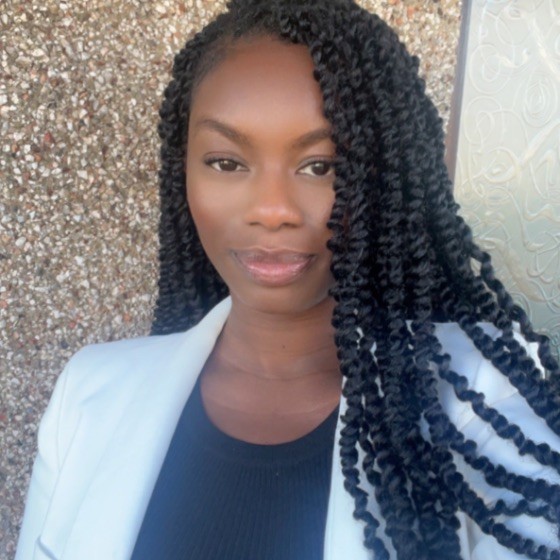
Antonia Ogundayisi is a passionate and energetic social care leader who is committed to adapting systems within social work to achieve positive change. With a career deeply rooted in advocating for children, young people, and communities, Antonia has predominantly worked within children's social care, fostering, youth work, youth justice and serious youth violence settings across various roles. She has served as a leader in both the voluntary and statutory social care sectors, co-designing and overseeing anti-racist, child-focused practice models informed by a critical race, psychosocial and systemic perspectives.
Currently, Antonia works as a Service Manager for Anti-Racist Practice within children’s social care, where she leads strategic initiatives to embed anti-racist practices, policies, and equitable systems for Black and ethnically diverse children. Antonia has contributed to local, regional, and national panels, sharing good practices that promote effective system change. She is also a doctoral researcher where she is exploring the experiences of black women in senior leadership social care roles, with an additional interest in developing anti-racist leaders within social care and beyond.
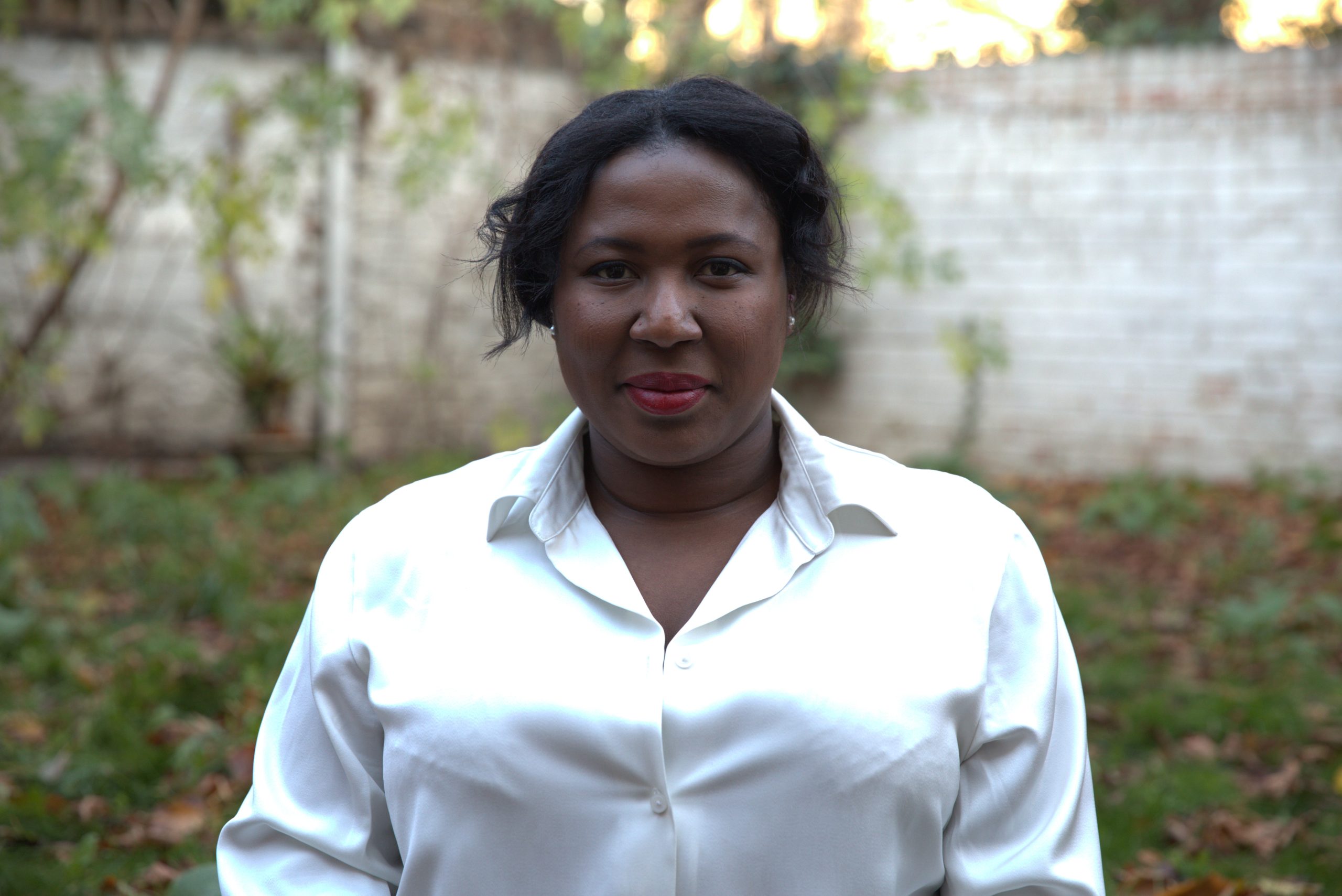
Augusta Itua is a Legal Consultant at CoramBAAF, where she advises professionals in adoption, fostering, and kinship care on legal matters, policy, and practice development. She is the Chair of the Racial Justice Family Network (RJFN), providing strategic leadership and coordinating efforts to promote anti-racist practice within the family justice system.
A qualified solicitor, she has extensive experience in children’s rights, having previously served as Head of the Children’s Rights Advice Service at Article 39, and as a Youth Justice Lawyer and Policy Officer at Just for Kids Law, which incorporated the Children’s Rights Alliance for England (CRAE) and the Youth Justice Legal Centre (YJLC). In these roles, she contributed to strategic litigation and policy reform aimed at systemic change.
RJFN’s contribution will explore the role of anti-racist practice with a multi-disciplinary audience and international colleagues, focusing on tangible strategies for achieving racial justice in the family justice system. Participants will be encouraged to critically interrogate their practice and existing measures, and to identify concrete steps for implementing anti-racist practice within their own roles, organisations, and practice areas.
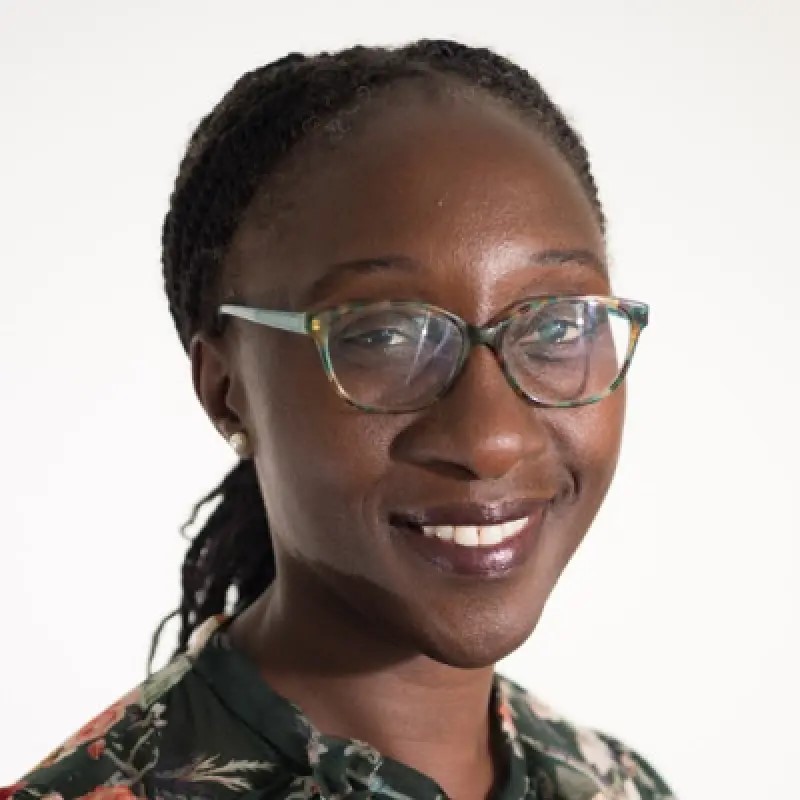
Dr Bridget Ng’andu joined the University of Kent in September 2017, after teaching on the BA (Hons) Social Work programme at Ruskin College in Oxford.
Dr Ng’andu qualified as a social worker in 1995, with a Bachelor’s Degree in Social Work (BSW) from the University of Botswana. Her dissertation explored the role of International Volunteer groups in Botswana and their contribution to community development. Her interest in working with Children and Families started there, whilst working in a Primary School with children and families affected by HIV/AIDS.
In 2000, Dr Ng’andu completed a Master’s Degree in Social Work (MSW) at the Curtin University of Technology in Australia, exploring Volunteering and HIV/AIDS in Western Australia. In 2006, she completed a PhD dissertation, focusing on Social Policy and HIV/AIDS in Botswana, also from Curtin University of Technology.
Prior to teaching, Dr Ng’andu worked as a frontline Social Worker and Senior Practitioner in English Local Authorities with Children and Families, in particular child protection work.
Dr Ng’andu is registered with the Health Care and Professions Council (HCPC). She is also a volunteer with Social Workers Without Borders (SWWB) and is on their Steering Committee.
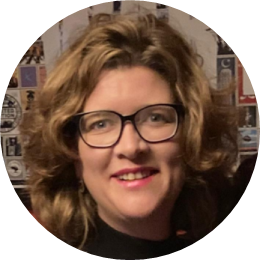
Emma Soutar is the Lead Trainer at the University of Kent's Centre for Child Protection (CCP). She has over twenty years’ experience in the voluntary and education sector during which time she has developed broad knowledge of issues affecting the most vulnerable in society and the frameworks in place to protect and support them. Her passion lies in sharing this knowledge through training.
As part of her work at CCP, she has developed an expertise in grooming, child exploitation, online safety of young people and child protection more broadly. She uses this knowledge in the development of innovative serious game simulations built in collaboration with key safeguarding stakeholders. She delivers training packages to professionals; including her recent collaboration in developing 'May and Bay' a serious game aimed at tackling trafficking and sextortion in Thailand and Cambodia. This was funded through UNICEF's, End Violence Against Children Fund. She was also co-investigator for an Economic and Social Research Council project aimed at developing specialist trauma informed training for police officers investigating child sexual exploitation

Hattie Pierce is a doctoral candidate at the University of Kent, recipient of the School of Social Policy, Sociology and Social Research Next Generation Scholarship and an Associate Lecturer within the Social Work programme.
Primarily her research explores the experiences of female unaccompanied asylum-seeking children in being cared for after arriving into the UK, via Kent. The research considers how refugee and asylum-seeking girls and young women experience and construct networks of care, in the context of their lives as children in care and care leavers. Her research highlights the very narrow understanding of the experiences and needs of this group, who make up a small minority of unaccompanied children.
Prior to undertaking a PhD, Hattie was a children and families social worker and continues to work within community settings supporting unaccompanied asylum-seeking children.
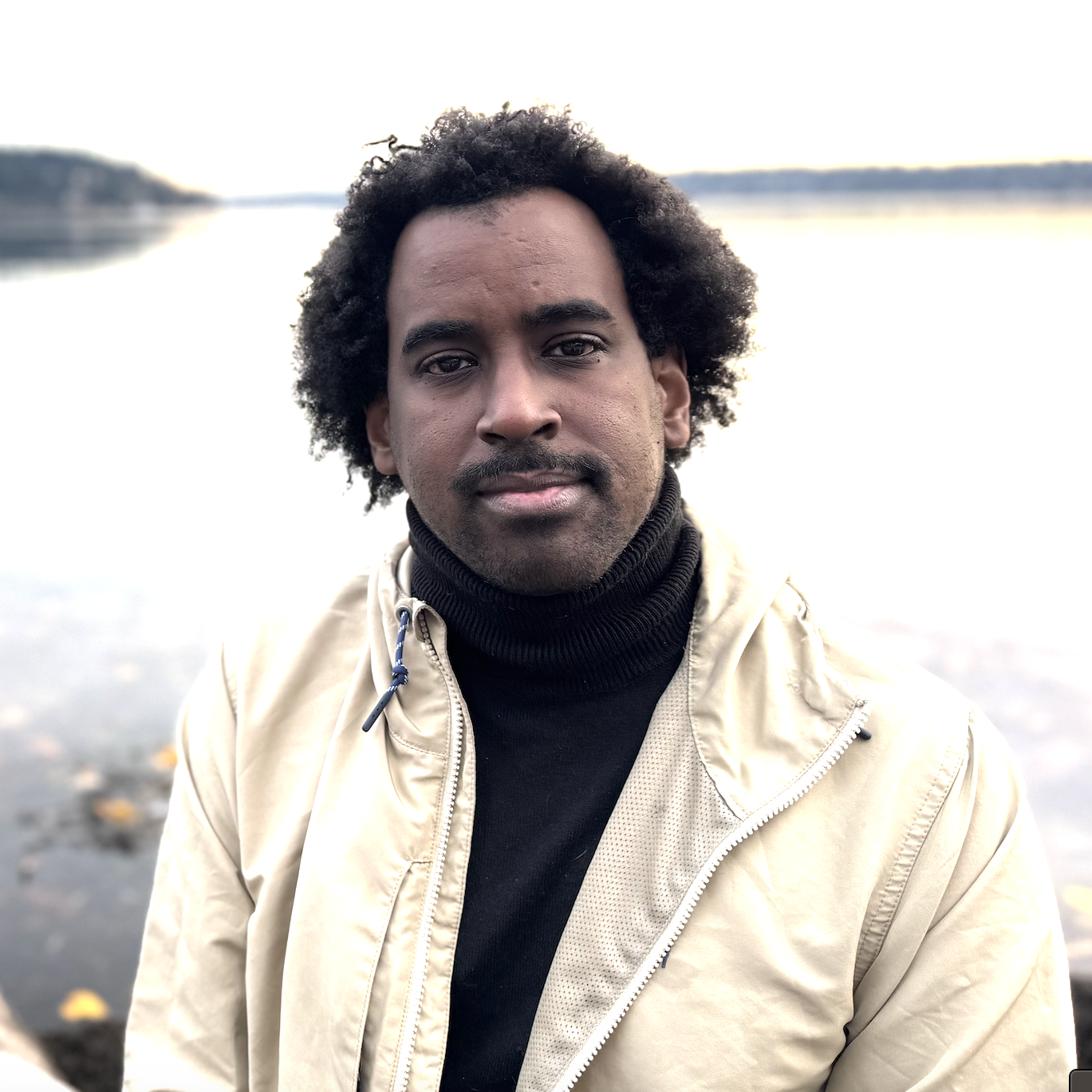
Dr. Jerel Ezell is a Fulbright Scholar and a professor in Community Health Sciences at the University of California Berkeley. His research and teaching focuses on disparities in youth mental health and substance use.
Dr. Ezell serves as the Director of the Berkeley Center for Cultural Humility, a global, multi-disciplinary center focused on Diversity, Equity, Inclusion, and Belonging trainings for professionals. He has written for The New York Times, TIME Magazine, POLITICO, and Fortune Magazine, among other outlets.
Jerel’s primary thematic interest is health disparities, as researched through Link and Phelan’s fundamental causes paradigm.

King Simpson is a BAFTA-nominated creative writer and care-experienced advocate based in London.
He draws from lived experience to spark conversations that connect the public sector with the realities of trauma, identity, and resilience.
His work spans public speaking, youth leadership, and narrative consultancy, with a focus on centring overlooked voices in systems of care and justice.
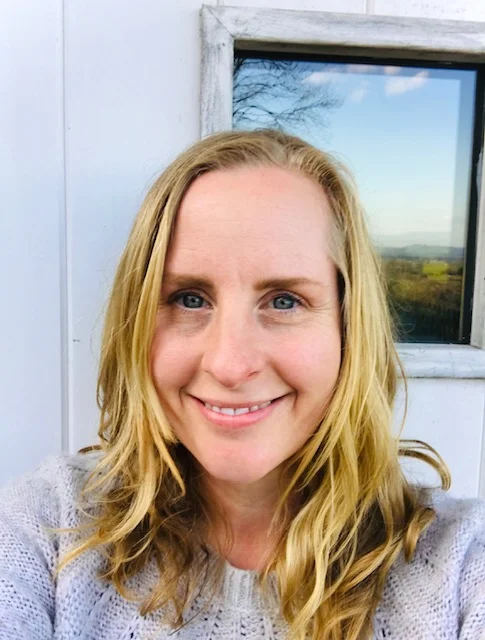
Dr Michelle Cutland MBChB, MRCPCH, MSc, MFFLM, Churchill Fellow 2023 is a Consultant Paediatrician and Clinical Lead for an NHS run Children's sexual assault referral centre (SARC) in Southwest England. Prior roles include that of a practise improvement advisor for health for the Centre of expertise on child sexual abuse (CSA Centre) and a Named doctor for safeguarding children.
Michelle is a faculty member of the RCPCH Child sexual assault and the forensic examination: a best practice course, and was the co-clinical lead for the 2024 update publication ‘The Physical signs of Child sexual abuse’ This collection of systematic reviews outlines good practice in relation to the paediatric forensic examination where there are concerns about child sexual abuse and is an evidence-based review of the interpretation of physical signs produced by the RCPCH but accredited by a number of national and international organisations.

Nawar Sayyad is a PhD-candidate in Child Welfare at the Department of Health Promotion and Development, University of Bergen. Her research explores the experiences of young adults with cross-cultural backgrounds transitioning from child welfare services into adulthood. She aims to address knowledge gaps and contribute to equitable access to support in the transition to adulthood for young adults with cross-cultural backgrounds.
Sayyad is a social worker and holds a master’s degree in Human Rights and Cultural Diversity from the University of Essex, where she was awarded the Deborah Fitzmaurice Prize for outstanding academic achievement. Her academic interests include cross-cultural perspectives, equity and inclusion. With extensive professional experience in child protection, she previously worked for Bergen municipality's child welfare services, specializing in support for unaccompanied refugee minors.
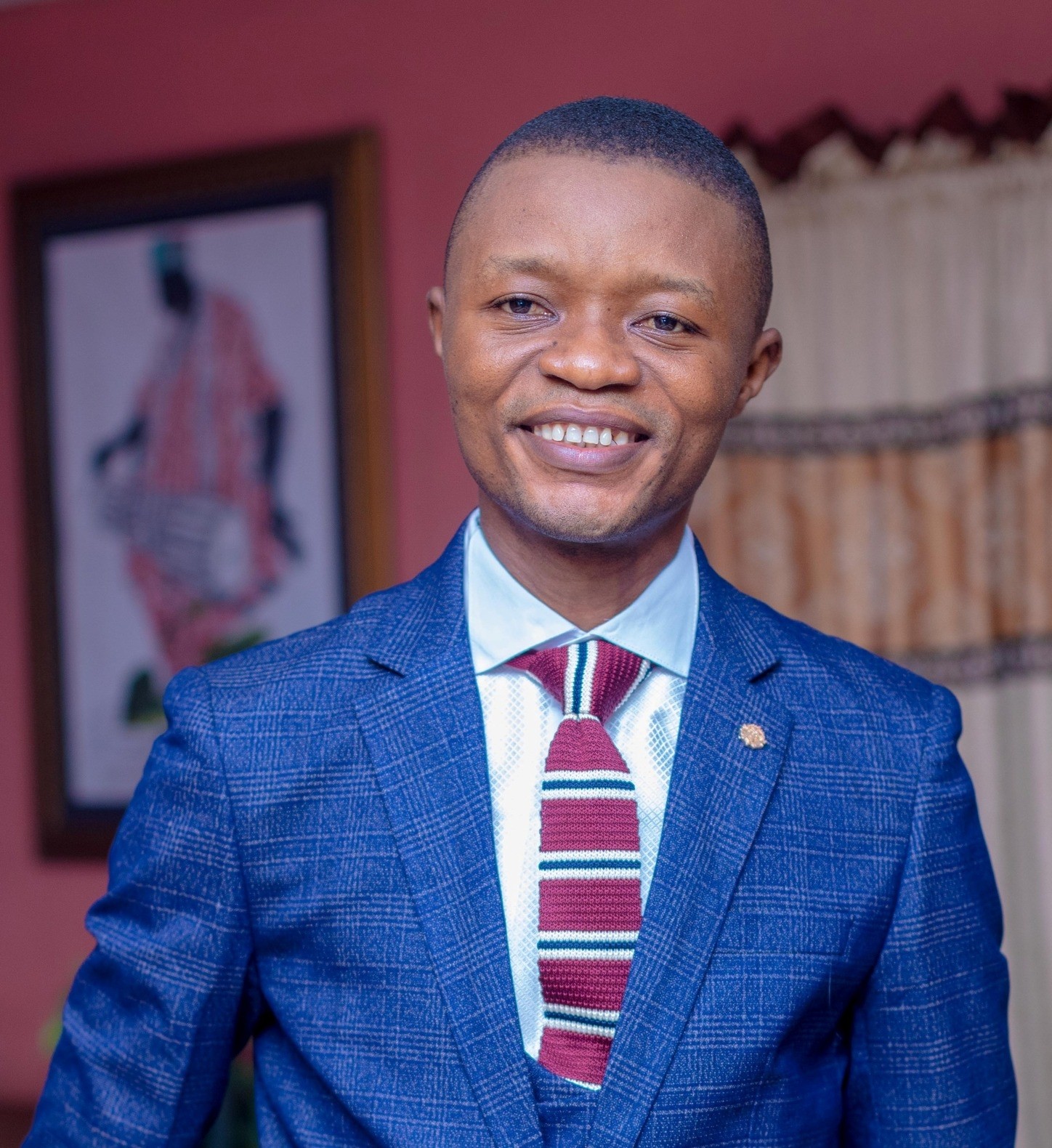
Oluwasegun Ogunsakin is a Ph.D. candidate in the Peace and Security Studies Department at Ekiti State University, Ado Ekiti, Nigeria. He enjoys working on contemporary issues as they relate to humanitarian assistance and education emergence. He obtained a B.Sc. Psychology and M.Sc. Peace Studies and Conflict Resolution from Lagos State University and the National Open University of Nigeria, respectively. He is the founder of the Peace Shelter Initiative, which focuses on using education to curb the issue of conflict and poverty in low-income communities in Nigeria. Also, his research interests include child education, development, and migration.
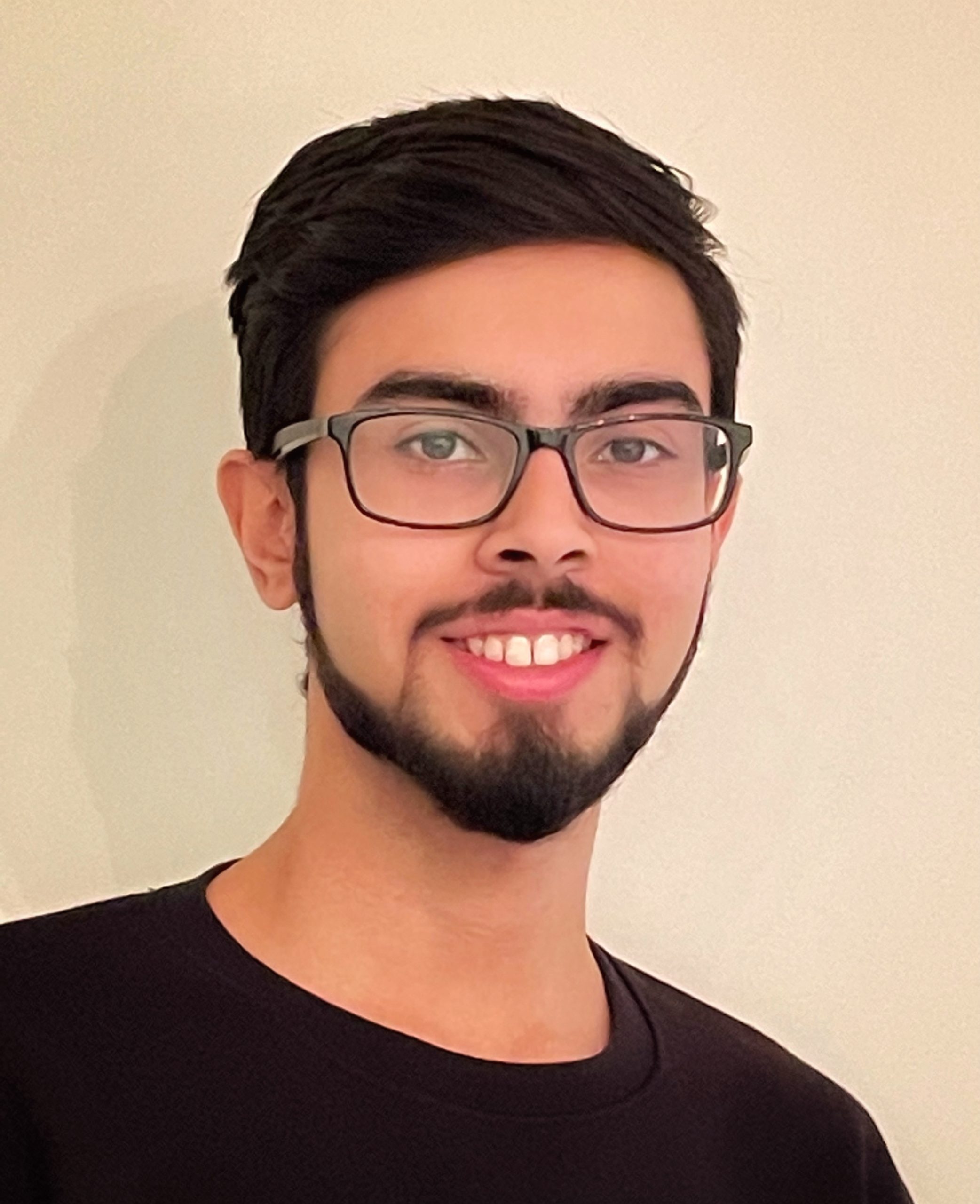
Omar Mohamed is a 24-year-old, Asian British male born and raised in London, with family and ancestral roots from East Africa, India and Persia. Omar is a lived experience activist and sibling kinship carer and uses his role as a social worker as a platform to help make changes in the world that link to promoting social justice, equity, and human rights. Omar sits on a variety of committees and leadership groups, provides training and consultancy, and regularly contributes to the next generation of social workers through international work and education. Omar regularly publishes contributions to knowledge related to anti-racism and decolonisation, with a drive to continually promote diasporic, embodied, and indigenous knowledge.
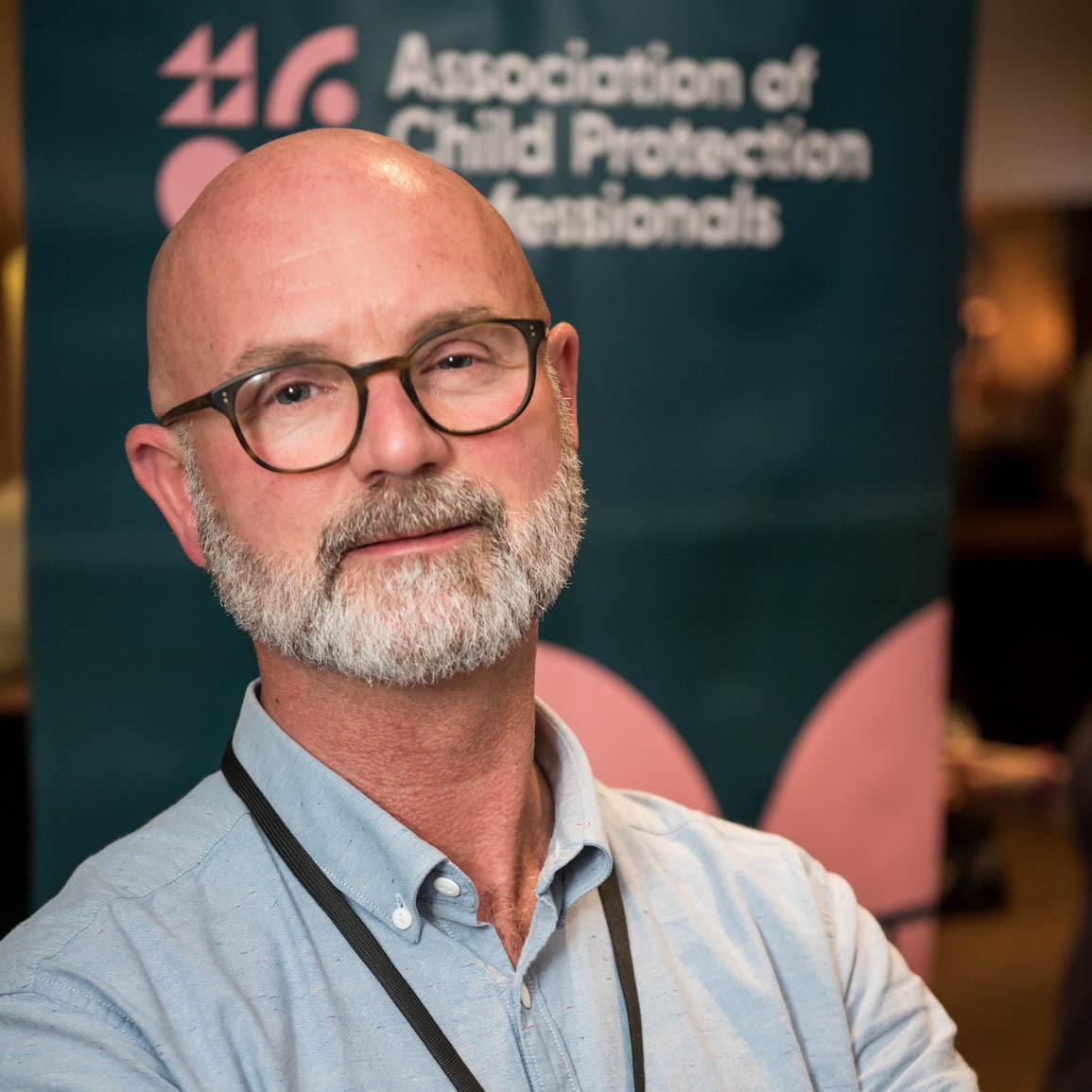
Steve Myers is a registered Social Worker with a background in child protection and youth justice. He has worked as a Social Worker in both statutory and voluntary organisations and has been involved with the education of social workers in Higher Education for the past 25 years, including leadership roles. Steve has researched and written about strengths-based and solution-focused practice, working with violent behaviour including sexual violence and assessment in social work practice.
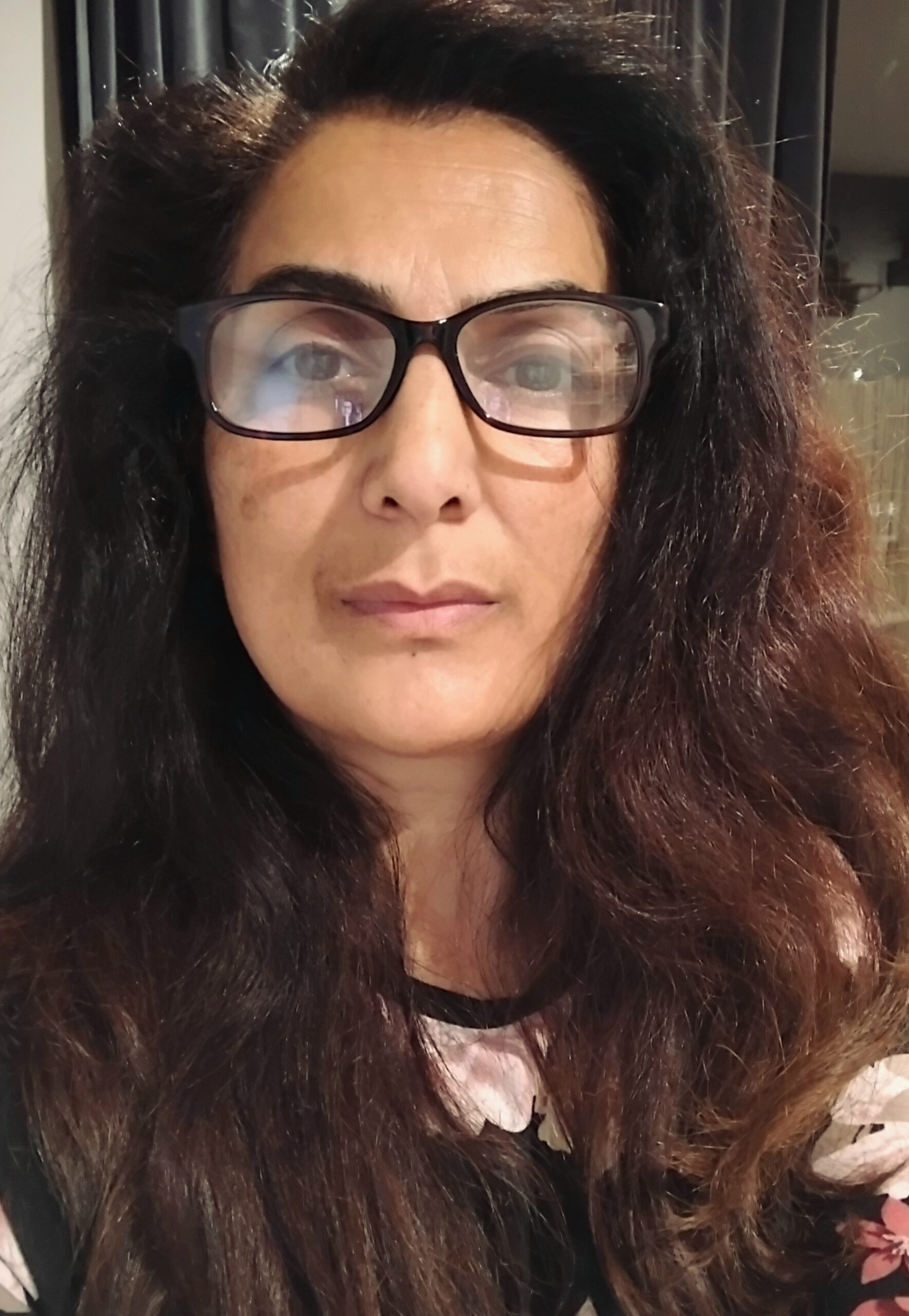
Dr Sukhwant Dhaliwal is the Course Leader for the MA Woman and Child Abuse programme at London Metropolitan University and also a Senior Research Fellow within the Child and Woman Abuse Studies Unit. She moved from frontline practice within ‘by and for’ organisations within the VAWG sector to undertake research on the intersection of ‘race’ and other axes of power (sex, age, disability, religion and belief), immigration controls, religious fundamentalism and radicalisation. She continues to work closely with feminist partners.
Dr Vanisha Jassal is a Senior Lecturer at the University of Kent (UoK) and a Senior Fellow with the Higher Education Academy (SFHEA). She is Director of Studies for the MA Social Work and MA Advanced Child Protection programmes and teaches across both programmes. She is co-chair of the BAME staff network at the university and works to address racial inequalities experienced by staff and students, and support the design and implementation of appropriate policies.
She has been a Trustee of ANBU since 2019, a charity which supports survivors of child sexual abuse (CSA) from the UK Tamil community and is soon due to submit her PhD thesis which examines CSA of females in Britain’s South Asian communities. She seeks to improve CSA practice and services for minoritised ethnic children, young people and families.

Waheed Ahmad is a child protection, child justice, and human rights expert with 25 years of professional experience in human rights-based development. He specializes in capacity-building engineering and has extensive experience in comprehensive and tailor-made protection, rehabilitation, and reintegration processes for women, transgender individuals, and children vulnerable to or survivors of violence. He has worked as an Appellate Court Attorney for the past 24 years and defended more than a thousand clients (juveniles, women, and minorities, including the LGBT community), most of whom were deprived of their fundamental human rights. He is the Chairman of the Child Protection Committee of the Lahore Bar Association and an Advisory Committee Member at The National Commission of Human Rights. His actions have contributed to the enactment of many child protection, transgender, and women's rights-related laws in Pakistan. He collaborates with different stakeholders such as the Ministry of Human Rights, police departments, the Probation Department, the Prison Department, the Labour Department, and the Child Protection and Welfare Bureau to promote child justice and child protection, and counter child sexual abuse and exploitation. He speaks English, Punjabi, and Urdu.
He holds a Master's degree in Political Science and has received several awards for his work in the field. He is committed to ensuring that every child has access to their basic rights and opportunities to thrive. His ultimate goal is to create a world where all children are protected, respected, and empowered to reach their full potential.
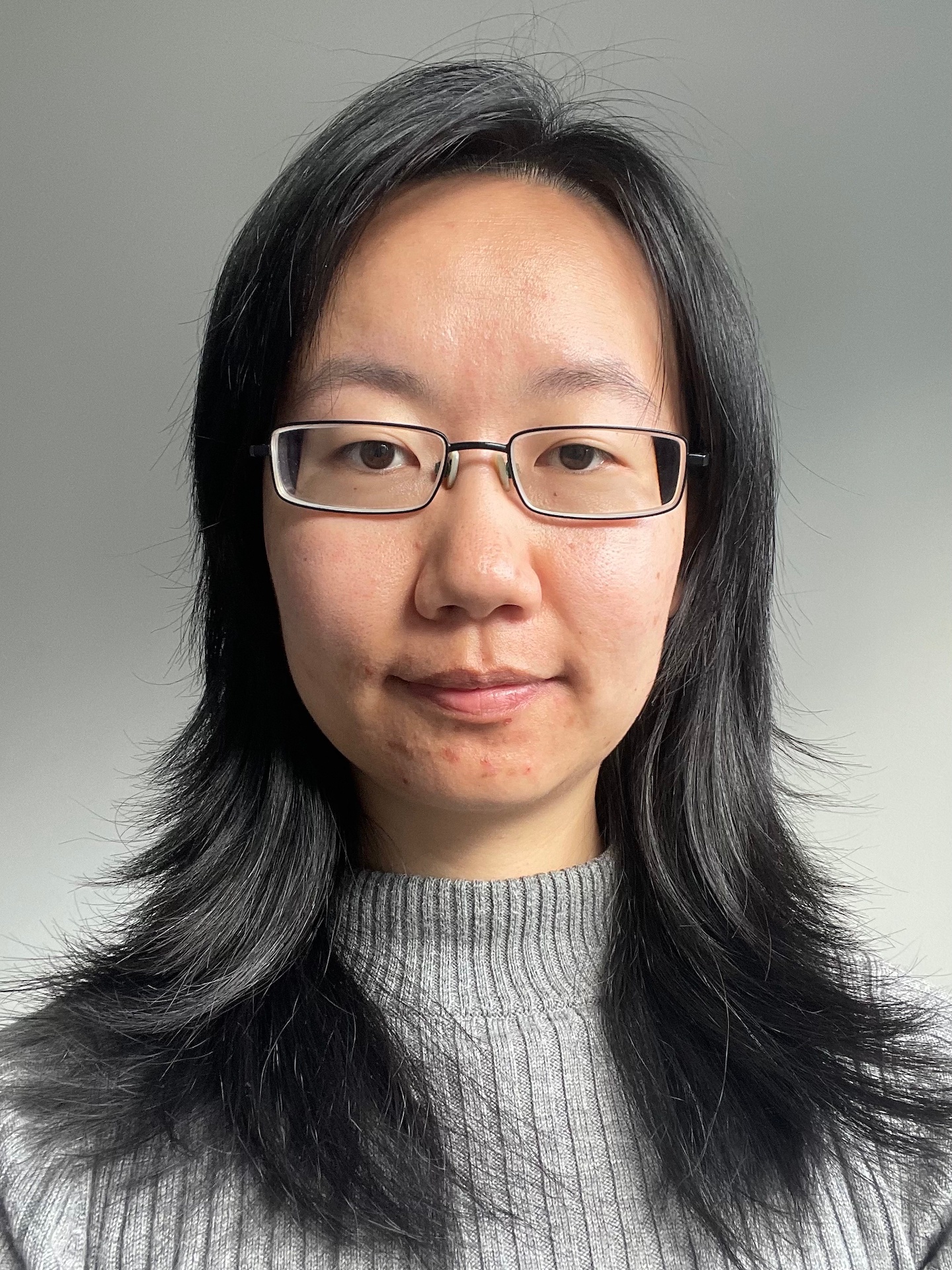
Yongchao Jing is now a Research Associate on the Health and Care Research Wales (HCRW) funded project Ethnic and Religious Inequalities in Children Welfare (ERICA) exploring ethnic inequality in children’s social care by applying complex data linkage techniques with administrative data in Wales within SAIL databank. Her research interests centre on examining how social institutions shape socioeconomic disparities among individuals based on individual attributes like gender, ethnicity, and skill.
In her research focusing on children, she explored how the child welfare system in Wales and the hukou system in China shape inequalities in education and health outcomes. In her prior research concerning adults, she explored how labour market institutions shape inequalities in wage attainment.
My membership is something I value as I work in academia, my knowledge and expertise is enhanced by the AoCPP community itself and the Child Abuse Review journal. I enjoy and receive great benefit from the opportunity to attend conference events and Congress to "tap into" cutting edge research and evidence of best practice nationally and internationally, all of which benefit the students on my teaching programmes and my own research and publications
