With growing numbers of autistic and possibly autistic children and adolescents with problematic or harmful sexual behaviours on the caseloads of frontline professionals, there is a rising demand for knowledge about autism and HSB and what constitutes good practice in assessments and interventions, to ensure informed, proportionate professional responses.
Dr Carol Carson has created Practice Guidance on autism and HSB based on her PhD research, which has been positively peer reviewed and piloted in practice. Along with the individual profile creator tool she has developed, these resources support both practitioners who may be new to working with autistic clients and also those who are very experienced, to enable them to feel more confident in undertaking this work.
This presentation will look at the key similarities and differences with usual HSB practice; the challenges it raises for HSB practice and practical ways of meeting these challenges positively. The key message from the research and Guidance is “It’s not the what and the how, it’s the why and the who!” (Carson 2022) – Come and find out more!
Learning Points
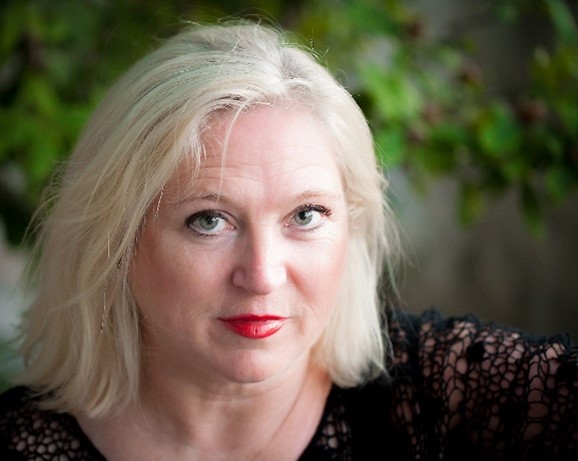
Dr Carol Carson has a Research PhD on Developing good practice in Autism and HSB from Queen’s University Belfast and is the Director of The AIM Project, one of the leading UK and international organisations on children and adolescents with harmful sexual behaviours (HSB). She has 40 years’ experience in safeguarding children and specialising in HSB. Carol has written several books and articles on the subject, including the AIM Assessment model for Children under 12 years old; AIM Education Guidance and her latest book - AIM Autism and HSB Practice Guide. She has also written “Johnny and the Sparkles in his Pants” a children’s story for working with children aged 5 – 8 years old
I think Child Abuse Review has gone from strength to strength and is of a consistently high standard. We have held numerous events that have been inspiring and enabling, such as the most recent Congresses and the Trainer's conference and award ceremony, the seminars to disseminate lessons from Serious Case Reviews. As resources get ever tighter, professionals have fewer and fewer opportunities to come together to exchange ideas and to learn together. We move more and more into silos because of work pressures. This is not the way to keep children safe. Association of Child Protection Professionals is needed to bring people concerned about child protection together to learn, to think, to shape policy and practice and to disseminate research. No-one else does this.
