Harry will draw on his research into the history and sociology of child protection work going back to its beginnings as a 'modern' practice in the 1880s. This will show how the complexities and struggles to gain access to children at risk and work with them and their parents in their homes have been present from the start. In the late-1890s, early 1900s the NSPCC ran Children's Shelters where they took children and encouraged them to, what today we would call, 'disclose' their lived experience. Harry will trace the emergence of a therapeutic orientation to working with children and families across the 20th century. This will show for example that a key space for child-centred and more therapeutic practice from the 1950s was the the motor car. The session will arrive at the present day through consideration of Harry's ethnographic research which observed encounters between social workers and children and families and some of the key learning about relationship-based practice from his new book Making Child Protection Work https://policy.bristoluniversitypress.co.uk/making-child-protection-work
The session will be a mixture of presentation, discussion, and Q&A.
| Ticket Type | Price | Cart |
|---|---|---|
| Standard - History & Practice SIG :Relating to children in time | £0.00 | |
| Member - History & Practice SIG - Relating to children in time | £0.00 |
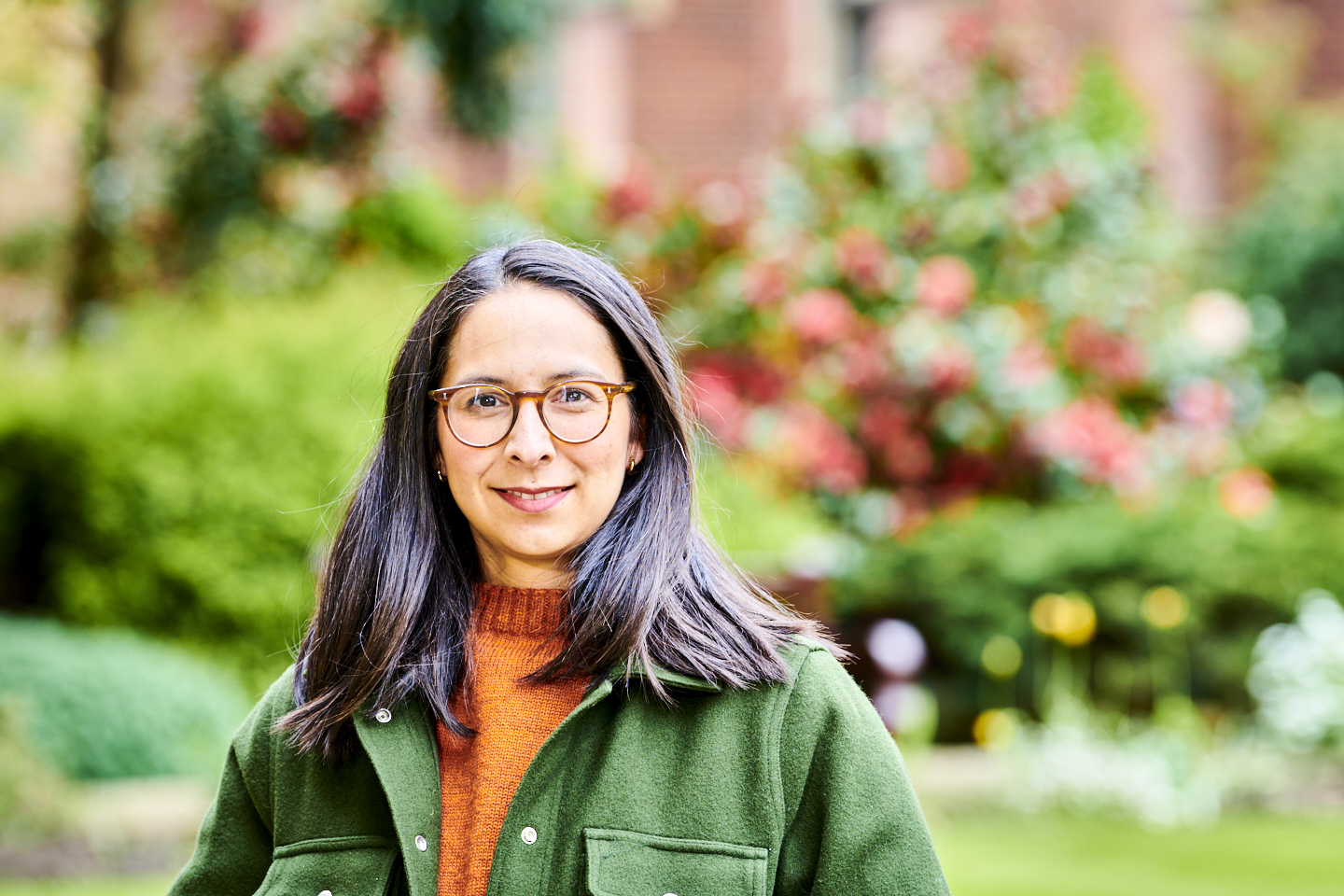
Dr Claudia Soares is a Modern British and Imperial historian specialising in nineteenth and twentieth century histories of family and childhood, the emotions and material culture, poverty and welfare, health, disability, and wellbeing, and migration and environment.
She joined Newcastle holding both a British Academy Postdoctoral Fellowship and a NUAcT Fellowship.
Claudia’s British Academy funded project, 'In care and after care: emotions, institutions, and welfare in Britain, Australia, and Canada, 1820-1930', brings a history of emotions perspective to understand residential care experiences, to address the performance of emotion and affect in care provision, and individual and collective responses to institutional life. As a transnational project, that draws on 'new' imperial history approaches too, this research contributes to a growing body of scholarship that considers the two-way dialogues, circulation, and development of welfare practices on a global scale. I am currently preparing my second monograph from this research.
In June 2024, Claudia took up a UKRI Future Leaders Fellowship for a new project called 'Caring Communities: Rethinking Children's Social Care, 1800-present'. This project uses historical and contemporary sources in innovative ways to generate new understandings about the role, value, and meaning of children's care through time, and importantly offers new ideas about what children's care could look like in the future. The project develops an innovative, interdisciplinary framework that combines approaches from historical research with creative, arts based methods and participatory practices to provide a major cultural and affective history of children's care between 1800-present.
Claudia is a co-convenor of the Life Cycles Seminar that takes place at the Institute of Historical Research at Senate House, London, and the Bodies and Emotions Strands for the Social History Society.
Having previously worked in the third sector for a number of years, Claudia is particularly interested in the long history of the development of children's care and welfare provision more broadly, and present day social work and welfare practices experienced by a number of vulnerable and marginalised groups.

Dr Ruth Beecher’s current project focuses on the histories of abuse, trauma and recovery from survivor and practitioner perspectives (Ireland, England, Scotland and Wales 1950s to present).
Between 2018 and 2024, Ruth investigated the role of health professionals and feminist survivor activists in relation to early intervention in child sexual abuse in Britain, 1970-2000, using archival research and new oral histories. Her research and teaching interests include the history of British and American health and social care, with an emphasis on the history of children and families, the history of the professions and the history and politics of gender, sexuality and sexual violence.
Ruth is co-chair of the international Challenging Research Network, a group of researchers and academics who work in complex, emotionally demanding, and politically charged research territories.
Ruth is the founder and a trustee of the heritage charity Úna Gan a Gúna: Irish Women’s Oral History Collective. This is a feminist collective dedicated to ensuring that the memories, experiences, and lives of Irish and diaspora women are documented and preserved. Ireland’s history has traditionally focused on the lives of men, Úna seeks to make it richer and fuller by gathering, preserving and sharing women’s stories.
Prior to 2018, Ruth was a leader in local government, she programme managed local policy initiatives and translated national policy into successful practice on the ground, both in children’s services and working across into other sectors particularly housing, health and employment.

Information to follow shortly
Opportunity to network with others and know I am part of a community of people committed to working for children and families; challenge to keep up to date and evidence-informed in my practice; sounding board with others for considering how best to improve policy and practice
