Special Interest Group | Neurodiversity
Speaker: Daniel Lodge, University of Salford
Co-Chairs: Professor Clare Allely, Professor of Forensic Psychology at the University of Salford & Phil Morris
In this unique and informative session, Daniel Lodge will share their current and forthcoming research investigating the intersectionality of Autism Spectrum Disorder and Stalking Behaviours as well as his own experiential expertise with autism and stalking behaviours. Daniel will also share and explain the first peer-reviewed preliminary guidance for practice working with autistic individuals who have committed stalking behaviours. Practitioners will also have the chance to ask questions and engage in discussion with Daniel about autism and stalking behaviours.
| Ticket Type | Price | Cart |
|---|---|---|
| Standard - Special Interest Group - Towards a new frontier of understanding | £15.00 | |
| Member - Special Interest Group - Towards a new frontier of understanding | £0.00 |
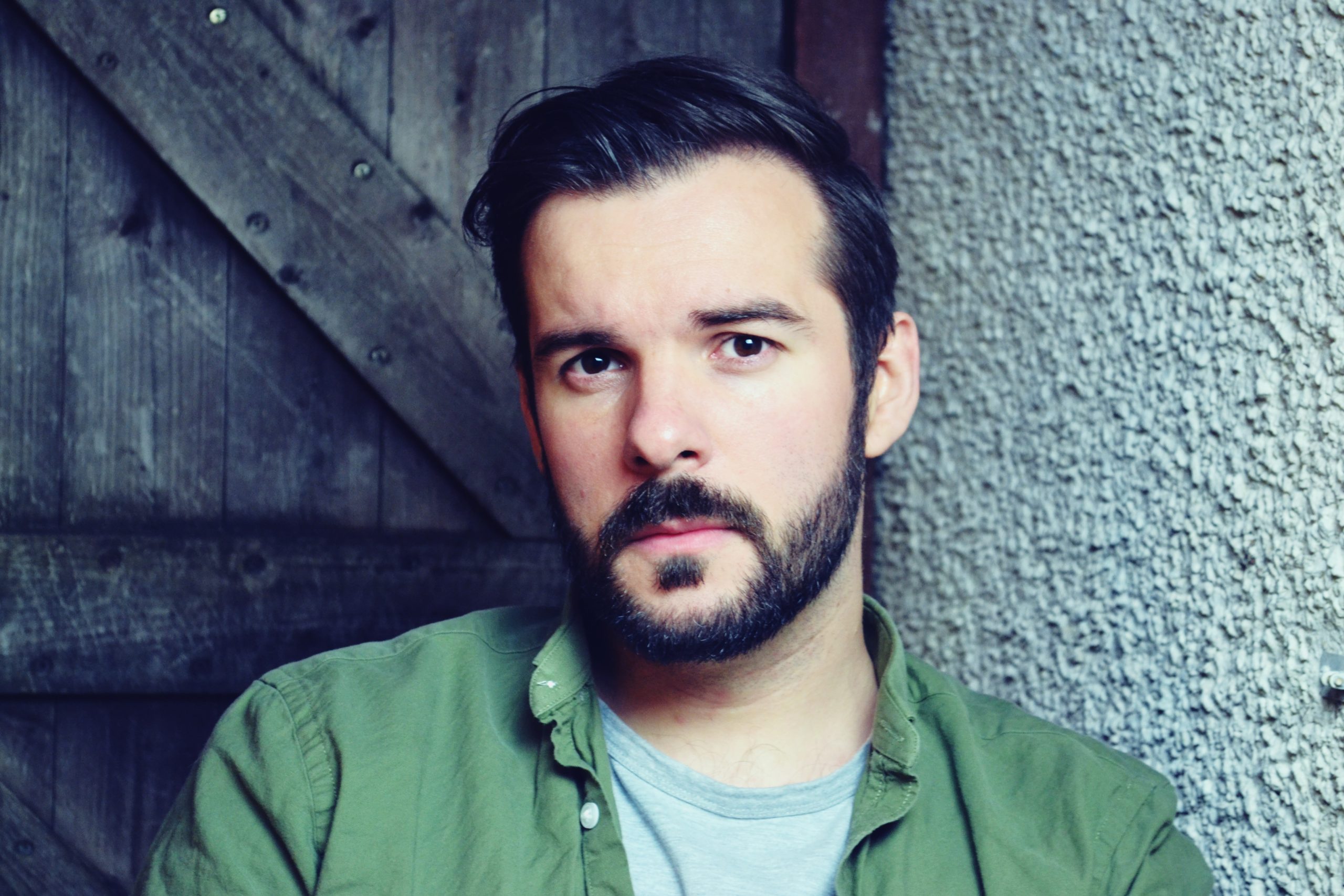
Daniel Lodge is an academic in applied psychology based in the United Kingdom. He holds a First-Class Bachelor of Science with Honours (2023) and a Master of Science with Distinction (2024) in Forensic Psychology from the University of Derby. In addition, he completed the Cambridge Access to Mental Health and Psychology programme (2023) at the University of Cambridge’s Department of Psychiatry. Daniel commenced his Doctorate of Philosophy (PhD) in Applied Psychology at the University of Salford in Greater Manchester in 2025. He is also a Graduate Member of the British Psychological Society. Daniel has formal dual-diagnoses of Asperger’s Syndrome and Autism Spectrum Disorder. Daniel currently serves as an Honorary Research Associate at the University of Derby, where he continues his work in applied and forensic psychology. His research interests include the social construction of deviance, moral discourse within criminal justice proceedings, sex-related offences, stalking behaviours, and the experiences of individuals with Autism Spectrum Disorder or Klinefelter’s (XXY) Syndrome within the criminal justice system. Alongside his research, Daniel works directly with individuals—including both young people and adults on the autism spectrum—in forensic and community settings. He also provides consultation to multi-agency partnerships in the criminal justice sector, both domestically and internationally. In 2025, Daniel published the first set of preliminary recommendations for criminal justice practitioners working with autistic individuals who engage in stalking behaviours. Daniel additionally collaborates with the Alice Ruggles Trust, delivering educational sessions in schools to raise awareness of stalking behaviours from both victim and perpetrator perspectives. He is currently contributing to the development of curriculum-based intervention programmes on stalking behaviours in the United Kingdom for young individuals and has also developed and piloted a 1-to-1 individualised skills-development talking programme for autistic individuals living in forensic and mental health care services.

Phil Morris MSc LLB (Hons) PGCE is a consultant, trainer and former police officer, specialising in communication techniques and interviewing.
Phil retired from Greater Manchester Police in January 2016 after 30 years of service. Since 2002 he has delivered training in the fields of vulnerable witness interviewing, offender interviewing, sexual offence law and initial police action following the report of a sexual offence.
As a serving officer Phil trained both uniform and detective officers, military police investigators and social workers in accordance with the Home Office Guidance document, Achieving Best Evidence in Criminal Proceedings (ABE). Since leaving the police service he has delivered training and presentations throughout the UK and overseas.
Phil has a keen interest in the interviewing of Autistic people. He completed an MSc in Child Forensic Studies at the University of Leeds in 2010. This included a final dissertation focused on the quality of police training in relation to the interviewing of Autistic people.
In recent years Phil has enjoyed a lecturing role at the University of Central Lancashire and continues to teach police officers and social workers around the UK on best practice in interviewing vulnerable people.
Phil is a National Autistic Society (NAS) accredited trainer and has been a was a member of the NAS National Forum and the North West Criminal Justice Forum on Autism.
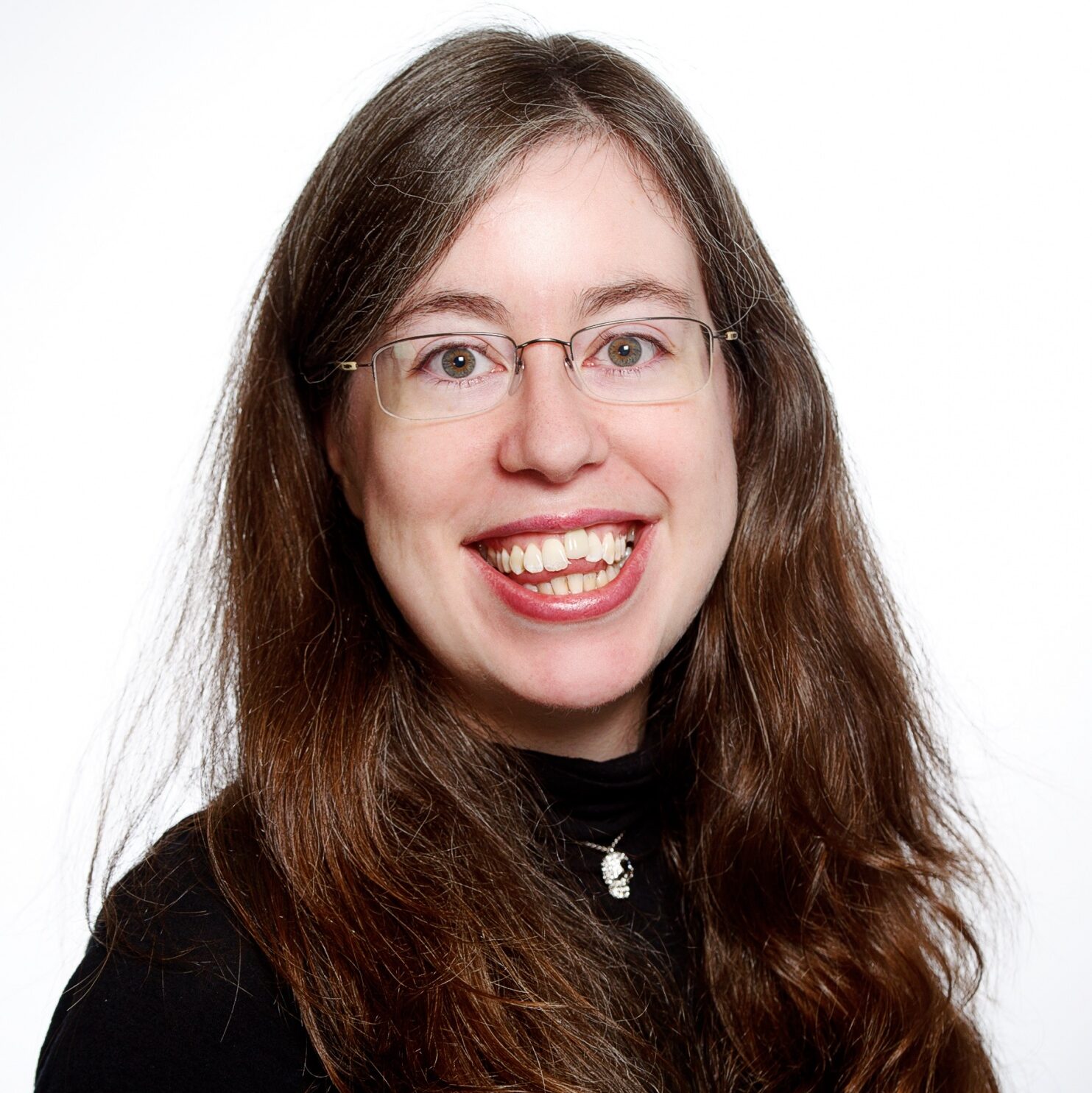
Clare Allely is a Professor of Forensic Psychology at the University of Salford in England and is an affiliate member of the Gillberg Neuropsychiatry Centre at Gothenburg University, Sweden. Clare is an Honorary Research Fellow in the College of Medical, Veterinary and Life Sciences affiliated to the Institute of Health and Wellbeing at the University of Glasgow. She is also an Associate of The Children's and Young People's Centre for Justice (CYCJ) at the University of Strathclyde. Clare is a Chartered Member of British Psychological Society (CPsychol since 2013) and Associate Fellow of British Psychological Society (AFBPsS since 2013).
Clare acts as an expert witness in criminal cases involving defendants with autism spectrum disorder and contributes to the evidence base used in the courts on psychology and legal issues through her published work. She is author of the book “The Psychology of Extreme Violence: A Case Study Approach to Serial Homicide, Mass Shooting, School Shooting and Lone-actor Terrorism” published by Routledge in 2020 and author of the book “Autism Spectrum Disorder in the Criminal Justice System: A Guide to Understanding Suspects, Defendants and Offenders with Autism” published by Routledge in 2022.
Opportunity to network with others and know I am part of a community of people committed to working for children and families; challenge to keep up to date and evidence-informed in my practice; sounding board with others for considering how best to improve policy and practice
