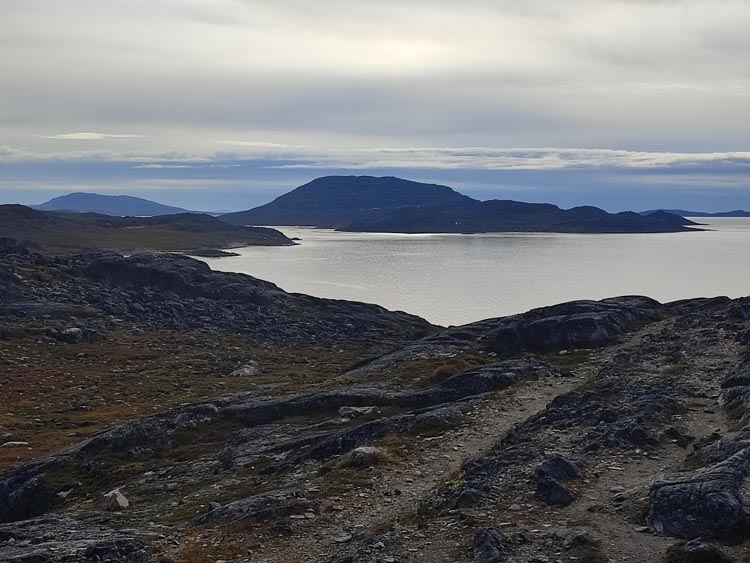
Today in Nuuk, Greenland’s stunning capital city, I found myself immersed in an environment where the natural beauty has now started to nurture a deep sense of mindfulness. The dramatic landscapes, with their rugged mountains and serene fjords and drifting icebergs, foster an undeniable connection to nature—something that now feels very spiritual. As the day unfolded, one theme became increasingly clear: the deep bond between community, nature, and well-being. Living ‘in the present’ seems to be not just a concept here in the Arctic but a way of life that enriches personal and collective wellness.
The morning began with a visit to UNICEF, where I looked more deeply into the landscape of children's rights in Greenland. I was particularly struck by the focus on improving Out-of-Home Care through advocacy and community-driven initiatives. One fact surprised me: Greenland's Out-of-Home Care system consists solely of Greenlandic children—no ethnic Danish children are placed within this care system. This is notable given Greenland’s population composition, with roughly 88% Greenlandic, 7% Danish, and a small migrant workforce from the Philippines. The absence of other ethnic groups in the State Care system raised important questions, though I’ll reserve judgment until I can fully understand the nuances of child protection practices here.
Later, I had the pleasure of giving a short lecture to three bright Greenlandic social work students before visiting Kalaallit Meerartaat, an inspiring Non-Governmental Organisation. They focus on supporting Greenlandic children and young adults aged 0-23, with a particularly impactful initiative called the ‘Buddies’ programme. This initiative connects every child in State Care with a volunteer advocate—a ‘buddy’—who stays with them throughout their journey, attending review meetings and helping them navigate the system. It’s an empowering model that’s not yet written into law but is clearly making a profound difference in the lives of these children.
The day ended with a visit to a children’s home named Tupaarnat, which translates to ‘Thyme’, a herb symbolising strength, power, and courage. Fresh from a deer-hunting trip to the fjord, the children and staff exuded a sense of grounded resilience. The home’s philosophy was truly inspiring, focusing on holistic care and nurturing the children’s well-being and growth. With a dedicated team of 14 carers for 9 children, the carers emphasised the importance of working through grief, separation, and loss by building connections with families, communities, and the natural world. It was a reminder that every person, no matter their circumstances, can begin to heal if given the support, inclusion, and love they need.
What struck me most is the challenge that both Greenland and the UK face in ensuring these principles aren’t just aspirational but truly integrated into practice. Too often, the services and philosophies meant to foster belonging and connection end up being fragmented, disconnected and distanced from the very communities they are meant to serve. It’s becoming increasingly clear that we need to rethink how we support children and families who are living and suffering with insecurity, intersecting oppressions, racism, inequality, social marginalisation and harm. How do we ensure all children and families know that they are valued, safe, connected—and most importantly, loved—in a world that can be so isolating? This is a question we must tackle with urgency, compassion, participation and innovation.





 Previous Article