How can child protection professionals better understand and support kinship networks within Gypsy, Roma and Traveller communities?
In this Special Interest Group session, members of the Kinship Matters research team will present findings from a pioneering co-produced study exploring kinship care experiences within Gypsy, Roma and Traveller communities. Drawing on participatory and culturally responsive research methods, the project is designed and delivered alongside community members, recognising the importance of lived experience, trust, reciprocity and community knowledge.
The session will explore the project's innovative methodology, including the role of peer researchers, community engagement approaches and the role of Romani cultural values in shaping the research process.
Attendees will be encouraged to reflect on how participatory research can deepen understanding of the lives of Gypsy, Roma and Traveller children and families, and how child protection services can build more culturally responsive, anti-racist and relationship-based approaches to practice.
| Ticket Type | Price | Cart |
|---|---|---|
| GRT: Kinship matters- standard | £15.00 | |
| GRT: Kinship matters - Member | £0.00 |




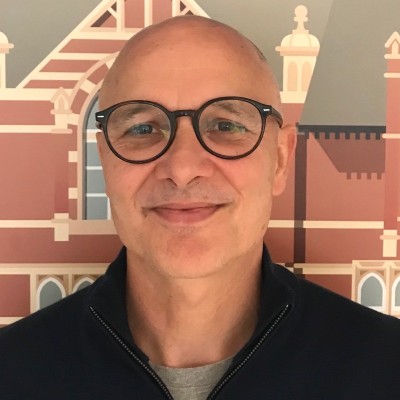

Allison Hulmes is a Welsh Romani social work activist, academic and researcher at Swansea University. She is co-founder of the Romani & Traveller Social Work Association and the first Romani representative to the International Federation of Social Workers. Allison is also an expert member of the Welsh Government External Accountability Group for the Anti-Racist Wales Action Plan (AwRAP), and she is currently co-chairing the Climate Change, Environmental Sustainability and Rural Affairs anti-racist Wales (CCESRA) sub-group, which is writing a new chapter for the AwRAP.
Allison’s academic and practice-based work focuses on driving real change in how social work is practiced with Romani and Traveller communities. She focuses on challenging anti-Romani and anti-Traveller racism wherever it shows up, and on creating spaces where Romani and Traveller people can genuinely thrive and express their identities and cultures with confidence.
Allison is a published poet and actively works to preserve her Welsh Romani heritage, culture, and language for future generations. She views access to one’s indigenous language and knowledge as a fundamental human right, essential to expressing ethnic identity, culture, and history. As part of this effort, Allison has developed curriculum resources for Wales's new anti-racist school curriculum, including BBC Bitesize, to ensure that children and young people learn from materials created by community members that reflect their lived and ongoing experiences. This approach supports decolonization and authentic representation. Allison, alongside a family elder, is currently developing an animation about the history of the Welsh Romani people, narrated for the first time in the Welsh Romanes language.
Dr Pete Unwin, Principal Lecturer in Social work, University of Worcester
Pete began his career in residential care in South Africa in the days of apartheid and this era of oppression fired him with a strong sense of social justice. He went on to qualify as a social worker in the UK and moved into senior management and inspection roles with local authorities. Pete has also run his own business in domiciliary care for adults and children and worked/volunteered for a range of voluntary sector organisations, as well as having been a foster carer, foster panel chair and is currently a member of Adoption Central England adoption panel
In line with most professionals, Pete knew very little about Romani and Traveller culture until carrying out some Community Fund research five years into disability within Romani and Traveller communities. Pete has since built on this research by way of a grant from the NHS Race and Health Observatory into mental health, where issues of historical trauma were a ‘live’ issue for many community members, as was the continual drip of racism from all corners. Romanian slavery was very much to the fore in Roma mindsets and the avoidance of contact with mental health services can be partly attributed to such state oppression. Similarly, the genocide of the Holocaust is still real in many families whose oral history- telling keeps these traumas alive. The passing of the Police Act (2022) continues this vein of state oppression, as does the disproportionate numbers of Romani and Traveller children being removed into state care. By an ironic twist of fate, social workers not Gypsies, have become the ’child snatchers’.
Pete is an ally member of the Romani and Traveller Social Work Association, whose members are committed to addressing the systemic injustices
Jackie Bolton is a qualified Social Worker, a Traveller from a Showmen and Romany family, and one of the co-founders of the Gypsy Roma Traveller Social Work Association. She has over 20 years of experience in working with children and families, having set up an advocacy service for Travellers in 2003. More recently she specialised in working with young people affected by child sexual abuse/ exploitation and serious youth violence. Jackie is Chair of Trustees at Gypsy and Travellers Empowerment (GATE) Herts and Director of the Romani and Traveller Social Work CIC, working as a researcher and trainer.
Ali Roy is Professor of Social Research and Co-Director of Centre for Children and Young People’s Participation at the University of Lancashire. He has a professional background in youth and community worker and residential social work. His teaching and research interests are focused on youth participation and collaborative research. He is currently working on these two research projects: (i) Kinship Matters: Exploring Voices in Gypsy, Roma, And Traveller Communities and (ii) A Rapid Evaluation of Data Led Housing Innovations for Young People Leaving Care.
Professor Cath Larkins innovates in participation, activism and knowledge exchange with children, young people, and their allies, across the UK and Europe. She conducts co-research, particularly with marginalised children and young people which is focused on challenging discrimination and improving policy and practice. Strong strands in her work for the past 25 years have been collaboration with Gypsy, Traveller and Roma children, young people and communities and collaboration with care experienced children and young people. Her work with children and young people has led to impact on policy and practice in the UK and internationally. Cath is Co Director of The Centre for Children and Young People's Participation and Co-Director of the Social Care Rapid Evaluation Team SOCRATES.
My membership is something I value as I work in academia, my knowledge and expertise is enhanced by the AoCPP community itself and the Child Abuse Review journal. I enjoy and receive great benefit from the opportunity to attend conference events and Congress to "tap into" cutting edge research and evidence of best practice nationally and internationally, all of which benefit the students on my teaching programmes and my own research and publications
